
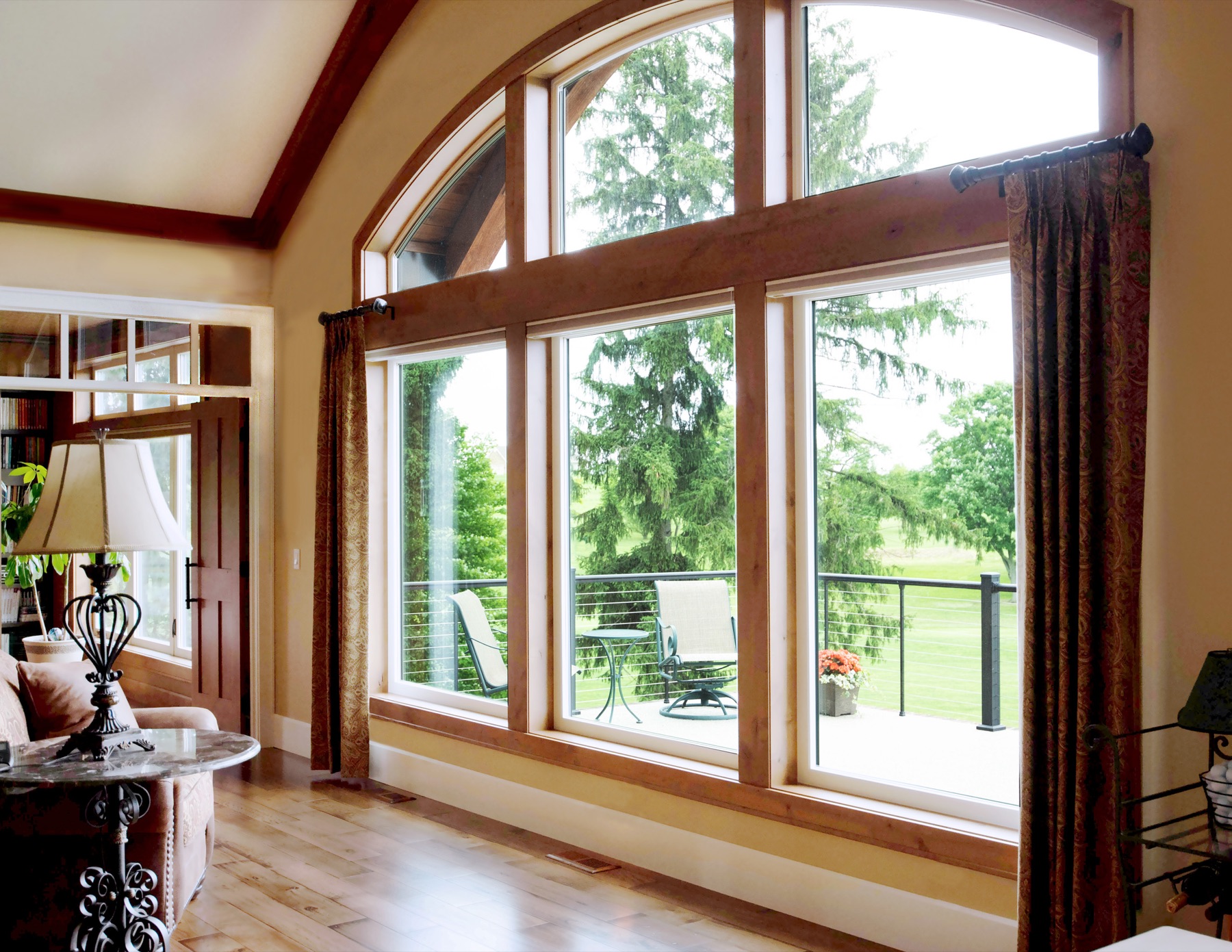
How double-pane and triple-pane windows differ.
A double-pane window has two panes of glass with an insulating space between them. A triple-pane window adds a third pane of glass and another insulating space. That extra layer can improve thermal performance, comfort near the glass, condensation resistance, and sound control.
That does not mean every home automatically needs triple-pane windows. It means homeowners should choose based on what they want the project to solve: drafts, comfort, noise, condensation, curb appeal, ease of use, or all of the above.
Double-pane windows
A strong, common choice for many replacement window projects. Good double-pane windows can be a major upgrade from older, drafty, fogged, or poorly sealed windows.
Triple-pane windows
A performance-focused choice for homeowners who want more comfort, stronger insulation, better glass temperature, and improved year-round consistency.
Performance during Indiana winters.
Indiana winters can make weak windows obvious. Rooms feel colder near the glass, drafts show up around openings, and older windows can make certain areas of the home uncomfortable even when the thermostat says the room is warm.
Triple-pane windows can help because the extra pane and insulating space reduce heat transfer through the glass. In plain language, the inside glass surface can feel less cold, which helps reduce that “cold window” feeling when you sit nearby.
Performance during hot, humid summers.
Central Indiana summers bring heat, humidity, and direct sun. The right glass package can help keep indoor temperatures more stable by slowing heat transfer through the window.
Triple-pane windows are often chosen by homeowners who care about year-round comfort, not just winter performance. They can help rooms feel more consistent during hot afternoons, especially in areas with large glass, direct sun, or rooms that have always been hard to keep comfortable.
Comfort and cold spots near windows.
Comfort is where triple-pane windows are easiest to understand. The more stable the glass temperature is, the less likely you are to feel cold spots in winter or hot spots in summer. That matters in living rooms, bedrooms, dining rooms, home offices, nurseries, and anywhere people sit close to the windows.
- Drafty rooms may benefit from better glass, tighter weatherstripping, and proper installation.
- Large window openings can feel more comfortable when the glass performs better.
- North-facing or wind-facing walls can make performance upgrades more noticeable.
- Rooms with big temperature swings are often good candidates for a higher-performing window package.
Condensation resistance.
Condensation can happen for several reasons, including indoor humidity, outdoor temperature, window temperature, airflow, and glass performance. Triple-pane windows can improve condensation resistance because the interior glass surface often stays warmer during cold weather.
That said, windows are only one part of the equation. Indoor humidity, ventilation, blinds, curtains, and how the home is heated can all affect condensation. A better window can help, but the full home environment still matters.
Outside-noise reduction.
If your home is near traffic, a busy neighborhood street, barking dogs, school pickup lines, or general outside activity, glass and frame quality can affect how quiet the home feels.
Triple-pane windows can help reduce some outside noise compared with older windows or basic window setups. The improvement depends on the window style, glass package, frame, weatherstripping, installation, and the type of sound you are trying to reduce.
When triple-pane windows make the biggest difference.
Triple-pane windows tend to make the most sense when the homeowner is focused on comfort and long-term performance. They can be especially helpful in homes with older windows, large glass areas, rooms that feel drafty, bedrooms facing noise, or spaces that are hard to keep comfortable.
Why installation quality still matters.
A high-performance window still has to be installed correctly. Poor measurement, gaps, weak sealing, or careless trim work can undercut the benefits of a better product. That is why Merrifield Exteriors puts so much emphasis on fit, finish, and certified installation.
Merrifield is a ProVia Platinum Dealer with certified installers. That matters because window performance is not only about the glass package; it is also about choosing the right product and installing it the right way for Central Indiana homes.
Which window is right?
Double-pane or triple-pane depends on your home.
If you want a solid upgrade from older windows, double-pane may be the right fit. If your priority is better comfort, fewer cold spots, improved condensation resistance, and a quieter home, triple-pane is worth comparing seriously.
Frequently asked questions.
Are triple-pane windows better for Indiana winters?
Triple-pane windows can improve comfort during Indiana winters by adding another layer of glass and insulating space, which can help reduce cold glass temperatures, drafts, and cold spots near windows.
Do triple-pane windows help during hot, humid Indiana summers?
Yes, the right triple-pane glass package can help reduce heat transfer and make rooms feel more stable during hot, humid summer weather. The glass package and installation both matter.
Do triple-pane windows reduce outside noise?
Triple-pane windows can help reduce some outside noise compared with many older or basic window setups, especially when combined with quality frames, weatherstripping, and professional installation.
Is double-pane or triple-pane better for my home?
Double-pane windows can be a strong choice for many homes, while triple-pane windows make the biggest difference when comfort, drafts, condensation resistance, noise, and year-round performance are top priorities.